Hair transplant procedures have become one of the most effective solutions for hair loss. However, despite growing popularity and technological advancements, many people still hesitate because of common myths and misinformation surrounding hair restoration treatments.
If you’re considering a hair transplant, understanding the facts can help you make a confident and informed decision. In this article, we’ll debunk the most common hair transplant myths and reveal the truth behind them.
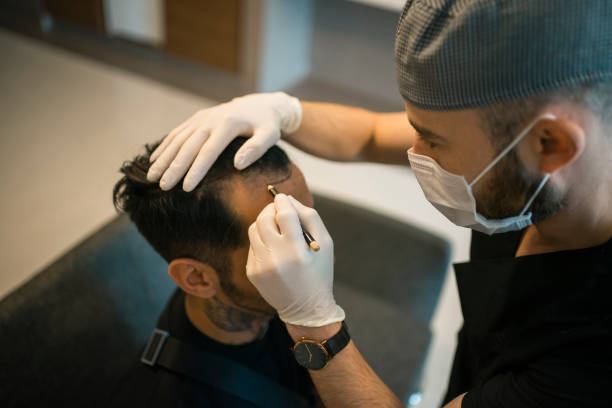
Hair Transplant Surgery is a cosmetic procedure where healthy hair follicles are moved from one part of the scalp (donor area) to areas affected by hair thinning or baldness.
Modern techniques like:
have made hair transplants safer, minimally invasive, and more natural-looking than ever before.
Modern hair transplants can look extremely natural when performed by skilled surgeons.
Earlier hair transplant methods often created unnatural “plug-like” results. Today, advanced techniques such as FUE and DHI allow surgeons to implant individual hair follicles carefully according to the natural direction, angle, and density of your hair.
A well-done hair transplant is usually impossible to detect.
Hair transplant procedures are generally comfortable and performed under local anesthesia.
Most patients experience:
Compared to many surgical procedures, hair transplantation involves minimal discomfort and a relatively quick recovery.
Hair growth after a transplant takes time.
After the procedure:
Patience is essential during the hair restoration process.
Women can also benefit from hair transplant procedures.
Female hair loss caused by:
may be treated successfully with modern hair restoration techniques, depending on the individual case.
Not everyone is an ideal candidate for a hair transplant.
Successful results depend on factors such as:
A professional consultation is necessary to determine eligibility.
Transplanted hair behaves like natural hair.
Once the transplanted follicles heal and begin growing:
However, doctors may recommend temporary post-procedure care during recovery.
Modern techniques leave minimal visible scarring.
Follicular Unit Extraction (FUE) creates tiny extraction points that heal quickly and are difficult to notice, especially with short hair.
Scarring is significantly reduced compared to older transplant methods.
Hair transplants are generally safe when performed by qualified professionals.
Since the procedure uses your own hair follicles, the risk of rejection is extremely low.
Choosing a reputable clinic and experienced surgeon is essential for:
A hair transplant restores existing bald areas but does not stop ongoing hair loss.
Native hair may continue thinning over time due to genetics or hormonal factors. Many patients combine transplants with supportive treatments like:
to maintain overall hair density.
Hair restoration can significantly improve confidence and emotional well-being.
Hair loss often affects:
For many individuals, restoring hair can positively impact mental and emotional health alongside appearance.
Before undergoing treatment:
The quality of the procedure plays a major role in achieving natural and lasting results.
Hair transplant technology has evolved tremendously over the years, making the procedure safer, more natural, and more effective than ever before.
Unfortunately, myths and outdated information still prevent many people from exploring treatment options confidently.
Understanding the facts about hair transplants can help you:
If you are experiencing hair loss, consulting a qualified hair restoration specialist is the best way to evaluate your options and determine whether a hair transplant is right for you.
At Elite Aesthetics & Polyclinic, we focus on delivering ethical, evidence-based, and personalized treatment plans.
Address: 2nd floor, No62, opp. Sreeji PG, near Bannerghatta Road, Anthappa Layout, Phase 4, J. P. Nagar, Bengaluru, Karnataka 560078
Phone Number: +91-7338586418
Email: info@eliteaestheticsbangalore.in
Copyright @2026, All Rights Reserved by Elite Aesthetics & Polyclinic Design & Developed by STANDSWEB.
WhatsApp us